
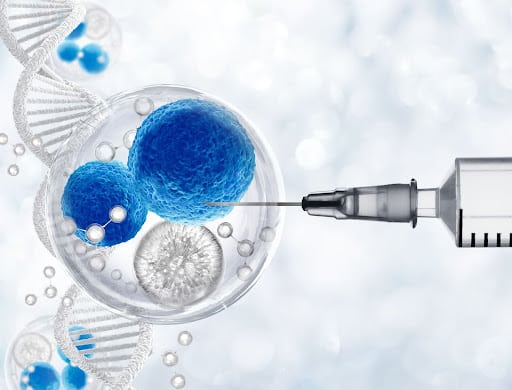
Modern health science continues to uncover how the body heals, regulates itself, and adapts over time. One of the most intriguing developments in this space is Peptide Therapy, an approach rooted in the body’s own biological communication system. Rather than masking symptoms, peptide-based treatments focus on supporting the natural signals that guide essential functions like metabolism, immune response, tissue repair, and hormonal balance.
What Are Peptides?
Peptides are short chains of amino acids, which are the same basic units that form proteins. While proteins are long and complex, peptides are much smaller—often made up of just a handful to a few dozen amino acids. This smaller size allows peptides to move efficiently through the body and interact directly with cells.
In the human body, peptides act primarily as biological messengers. They tell cells how to behave, when to release hormones, how to respond to inflammation, and when to initiate repair processes. Many well-known hormones and regulatory compounds, including insulin and certain growth factors, are peptides.
Because peptides already exist naturally in the body, they play a foundational role in maintaining balance and internal communication.
How Peptide Therapy Works in the Body
Peptide Therapy is based on the principle that health depends on clear and efficient cellular signaling. Over time, factors such as aging, chronic stress, illness, or lifestyle imbalances can weaken these signals. When that happens, the body may not function as optimally as it once did.
Therapeutic peptides are designed to interact with specific receptors on cells. When a peptide binds to its receptor, it sends a precise instruction—similar to flipping a switch. That instruction may tell the body to increase collagen production, support tissue repair, regulate metabolism, or modulate immune activity.
Because peptides are highly targeted, their effects are typically more focused than those of traditional medications, which often affect multiple systems simultaneously.
Why Peptide Signaling Declines Over Time
The body naturally produces thousands of peptides, each with a specialized role. However, peptide production and receptor sensitivity can decline with age or prolonged physiological stress.
This decline may contribute to common concerns such as slower recovery after exercise, reduced muscle mass, changes in skin texture, decreased energy levels, disrupted metabolism, and increased inflammation. Peptide therapy aims to support the body’s natural signaling pathways rather than override them.
By reinforcing these communication systems, peptide therapy may help the body respond more effectively to internal and external demands.
Peptide Therapy vs. Peptide Supplements
Many people confuse peptide therapy with peptide-based supplements, especially collagen peptides. While the names sound similar, their functions are very different.
Collagen peptides found in supplements are broken-down proteins consumed orally. They provide amino acids that the body may use as building blocks, but they are digested like food and do not directly instruct cells to act.
Peptide Therapy, on the other hand, uses peptides specifically designed to interact with cellular receptors. Instead of supplying raw materials, these peptides deliver signals that influence biological processes at the cellular level.
This distinction is important when evaluating expectations and outcomes.
Potential Benefits of Peptide Therapy
Although research is still expanding, peptide therapy is being explored for its ability to support multiple systems in the body. Potential areas of benefit include:
Cellular Repair and Recovery
Some peptides are involved in signaling pathways that encourage tissue repair. This may support muscle recovery, joint health, and healing after physical strain.
Metabolic Support
Certain peptides influence how the body manages energy and regulates appetite. Medical peptide-based treatments are already widely used in metabolic health to support blood sugar balance and insulin response.
Skin and Structural Integrity
Peptides play a role in collagen signaling, which affects skin firmness, elasticity, and connective tissue strength.
Immune System Communication
Specific peptides help regulate immune responses, supporting the body’s ability to manage inflammation and defend against stressors.
It’s important to note that benefits vary depending on the peptide used, individual biology, and overall health goals.
Common Questions People Ask About Peptide Therapy
Is Peptide Therapy Safe?
When prescribed and monitored by a qualified healthcare provider, peptide therapy is generally considered safe. Because peptides mimic substances already present in the body, they are often well tolerated.
Safety concerns typically arise from unsupervised use or products sourced from unregulated suppliers. “Research peptides” sold online may lack purity, accurate dosing, or quality control. Medical oversight helps minimize risks and ensures appropriate use.
How Long Does It Take to See Results?
Results are not immediate and vary from person to person. Some individuals notice changes within a few weeks, while others may require several months. Outcomes depend on the type of peptide used, the health concern being addressed, age, metabolism, and consistency with the treatment plan.
Are Peptides the Same as Steroids or Hormones?
No. Peptides are not anabolic steroids. While some peptides influence hormone signaling, they typically work by encouraging the body to regulate its own production rather than replacing hormones directly. This makes peptides modulators rather than substitutes.
Can Peptide Therapy Help With Aging?
Aging affects cellular communication, tissue repair, and hormone signaling. Because peptides are involved in all of these processes, peptide therapy is often explored as part of healthy aging strategies. It is not a cure for aging, but it may support systems that naturally decline over time.
Are There Side Effects?
Side effects depend on the peptide, dosage, and delivery method. Mild effects may include temporary fatigue, headaches, or irritation at injection sites. More serious risks are uncommon when therapy is properly supervised but can occur with misuse or improper sourcing.
Who Should Consider Peptide Therapy?
Peptide therapy may be appropriate for individuals seeking targeted support for recovery, metabolic balance, immune regulation, or age-related changes. However, it is not suitable for everyone.
People who are pregnant, managing certain medical conditions, or taking medications that affect hormone or immune pathways should undergo a thorough medical evaluation before starting peptide therapy.
A personalized approach is essential to determine suitability and expected outcomes.
Peptide Therapy in Modern Medicine
Peptide-based treatments are already part of mainstream healthcare. Several FDA-approved medications are peptides that mimic natural hormones to manage conditions like diabetes and metabolic disorders. These examples highlight the power of peptide signaling when applied in controlled, evidence-based ways.
Beyond pharmaceuticals, interest continues to grow in wellness-oriented applications, including recovery support and regenerative health strategies. As scientific research advances, peptides are likely to play an even larger role in personalized medicine.
For those researching options in this area, learning about Peptide Therapy in South Florida can provide valuable insight into how peptide-based approaches are applied in real clinical settings.
Final Thoughts
Peptide Therapy is built on a simple but powerful idea: the body functions best when its internal communication systems are working efficiently. Peptides are central to that communication, influencing metabolism, immune response, tissue repair, and hormonal balance.
While peptide therapy is not a one-size-fits-all solution, it represents an evolving field that blends biology, medical science, and personalized care. With proper guidance, realistic expectations, and medical oversight, peptide therapy can be a meaningful tool for those seeking targeted health support.
To explore this topic further and understand how it may apply locally, visit Peptide Therapy in South Florida


Follow us